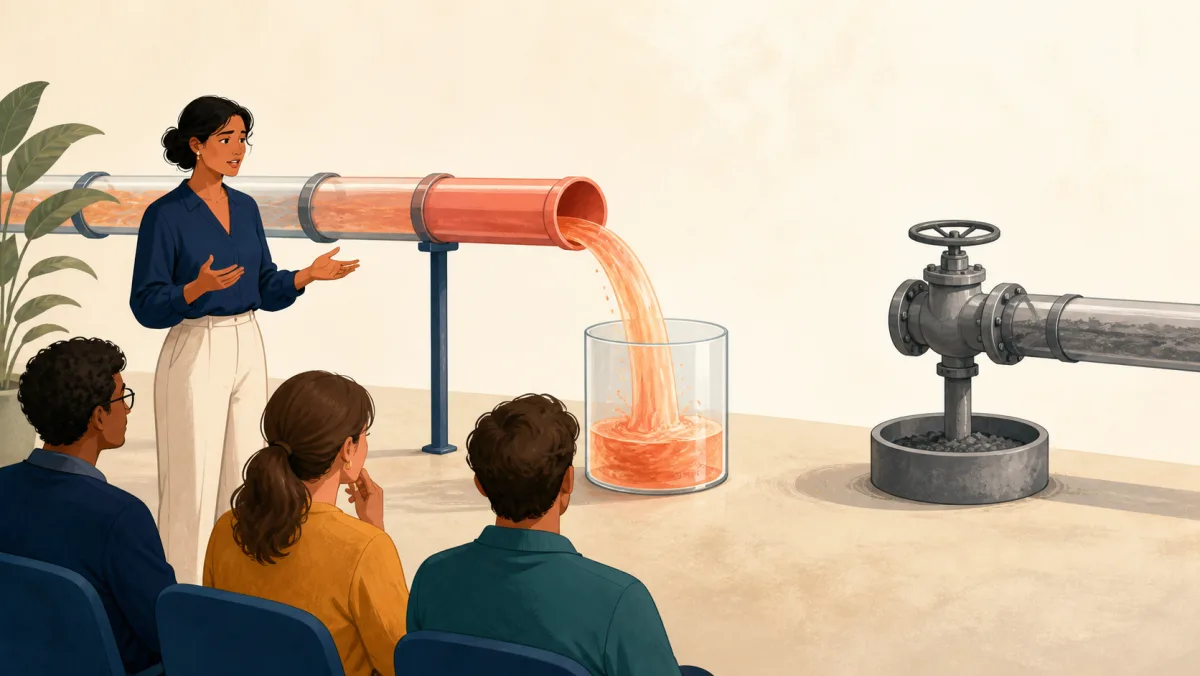
In a crisis, readers respond to both the words in a public statement and the meaning those words seem to carry.
Choose the wording with care. State the known facts and show concern. Do not claim fault before the facts support it. Also avoid broad claims like "the statement fully conveyed everything." One message may not answer every question.
Why wording is reviewed so carefully in sensitive statements
What a sentence conveys is the meaning a reader may take from it. That meaning can differ from the writer's intent. This is why legal and communications teams often review sensitive statements. Even accurate words may suggest more certainty about fault than the known facts support.
"We take this issue seriously and are reviewing what happened" — states concern without saying that the company was at fault.
"We caused this issue and are addressing it immediately" — conveys an admission of fault the facts may not yet support.
Both sentences are clear English. Yet they make different claims. The first says a review is under way. The second says who caused the issue. Use the second only when the facts and approved response support it.
Want to get better at distinctions like this?
Lyra Practice helps you learn the nuance of high-value workplace expressions, then practice using them in realistic situations.
See how Lyra Practice works →The overclaiming trap
The same care applies to claims about the message itself. Avoid saying that it "fully conveyed" a topic unless you have a clear basis for that claim.
"The all-hands email fully conveyed everything the team needed to know" — an overclaim. No single message reliably transmits every nuance to every reader.
"The email conveyed the key changes, though follow-up questions are expected" — more calibrated, and more honest about what one message can realistically do.
The mistake
Concern and fault are separate ideas. A statement may show care for people who were affected without deciding who is at fault. It should also avoid claims about complete understanding unless there is evidence for them.
Careful wording can lower the chance of sending the wrong message. It cannot ensure a legal result. Laws, facts, prior statements, and the full context all matter. For a high-risk statement, ask qualified counsel to review the final text.
Why this is worth getting right
This is not just a style issue. A public statement may be used with other evidence in a dispute or inquiry. The legal effect does not turn on one phrase alone. Clear wording helps the public understand what is known, what is not known, and what will happen next.
Practice scenarios
Practice careful, non-overclaiming statements in situations like:
- drafting a public statement that conveys concern without making an unsupported claim about fault
- reviewing a sentence for whether it sounds more certain about responsibility than has been confirmed
- rewriting an overclaiming line ("fully conveyed everything") into something you can back up
- separating what a statement literally says from what it conveys to a reader
Useful practice phrases:
- "We take this seriously and are reviewing what happened."
- "The statement shows concern without stating who was at fault."
- "The email conveyed the key changes, though questions remain."
- "That claim overclaims what any single message can convey."
A careful statement can convey concern.
An overclaiming statement may convey certainty that the facts do not support.
Lyra Practice helps advanced non-native English professionals learn the nuance of high-value workplace expressions and practice using them in realistic scenarios, so their English sounds natural, precise, and senior at work. Try Lyra Practice.