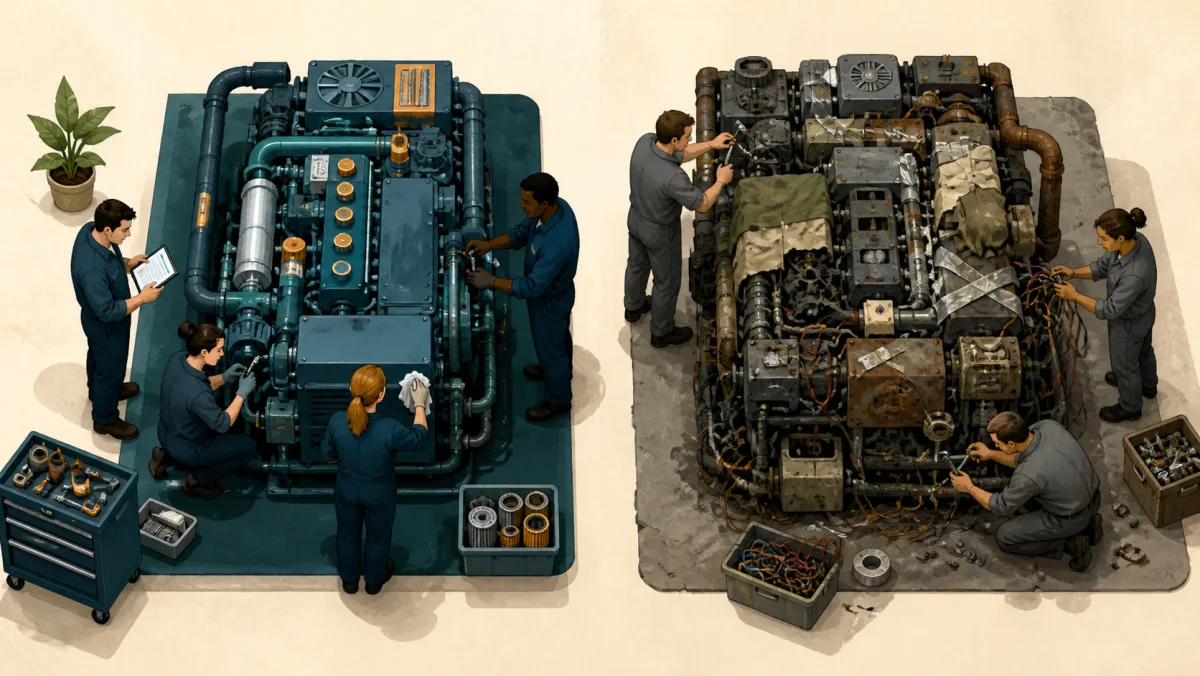
Overhead and technical debt can both describe ongoing engineering costs, and both may come up in sprint planning. They point to different causes, however, so the appropriate response may differ.
Technical debt comes from past technical choices that make later change harder or riskier. A shortcut can create it, but technical debt does not always result from careless work. Overhead is the ongoing time or cost needed for support, checks, tools, or process; even sound code can require operational overhead.
Quick check: overhead vs technical debt whats the difference
Use the concrete facts to choose the more precise workplace wording.
Ready to go beyond the quiz on "Overhead"?
Take the full learning path: hear it in real workplace contexts, watch short explanations, learn its nuances and when to use it, then practice using it yourself.
Start learning for free →Now see if you can use it naturally yourself.
Try it yourself
You know how to use "Overhead," too.
Keep going with the full learning path — more workplace contexts, related expressions, and continued practice.
Continue with "Overhead" →There's more to "Overhead" than it seems.
You've got part of it, but the full learning path goes deeper into its nuances, workplace contexts, and when it sounds natural — then gives you practice using it yourself.
Learn "Overhead" in depth →Paid down vs. planned for
Teams reduce technical debt by changing code, design, tests, or tools, while they manage overhead by setting aside time, money, or staff. Sometimes one change can reduce both. Calling all maintenance "technical debt" can hide normal support work and lead to a poor plan.
"'Maintaining this third-party integration adds ongoing overhead -- monitoring, version updates, and support tickets -- even though the code itself is well-written' is overhead, not technical debt."
"'This integration is full of technical debt because we rushed the original implementation and never refactored it' describes the cost of a past shortcut, a different problem from ongoing maintenance load."
This difference matters for planning. Refactoring sound code may not remove vendor updates or support work. More support time also may not solve a weak design. The team should first find the cause. Some debt needs a rewrite, while other debt needs a smaller fix, better tests, or clearer design.
Want to actually use "Overhead" naturally at work?
Understanding it is one thing. Practice its nuances, see how it works in real workplace situations, and use it yourself with feedback.
Start the "Overhead" learning path →Writing about it in a project plan
When you write about an integration, name the work and its cause. List setup, checks, updates, or support if those are ongoing tasks. Then connect them to a plan, such as added support time. Do not label every cost as debt or as a bug.
"'Integrating the legacy system would create ongoing maintenance overhead, so we should include support capacity in the project plan' flags the load up front as a planning input."
"'Adding this integration will create ongoing maintenance overhead, since we'll need to monitor and update it every time the vendor changes their API' separates the ongoing cost from the one-time build cost."
Project plans should note likely overhead so teams can review and fund it. Keep ongoing support separate from known debt, bugs, and one-time migration work. The labels do not decide the budget or the fix on their own. They help the team ask the right questions and make an informed choice.
Practice scenarios
Practice using overhead in situations like:
- deciding whether a maintenance problem needs refactoring or more support capacity
- writing a project plan that flags integration overhead as an ongoing planning input
- separating a one-time build cost from the overhead an integration will create afterward
Useful practice phrases:
- "[System] adds ongoing overhead -- [specific tasks] -- even though the code itself is well-written."
- "[System] carries technical debt because [earlier technical decision]."
- "Integrating [system] would create ongoing maintenance overhead, so we should include support capacity in the plan."
Write the precise distinction
Technical debt comes from past technical choices. Overhead is work or cost that continues.
Reduce debt when the benefit supports the cost. Plan for overhead, and reduce it when practical.
Lyra Practice helps advanced non-native English professionals learn the nuance of high-value workplace expressions and practice using them in realistic scenarios, so their English sounds natural, precise, and senior at work. Try Lyra Practice.